



Buying a car is not just a financial decision. It directly affects your daily routine, comfort, and long term satisfaction. A purposeful approach to car shopping helps you choose a vehicle that fits your lifestyle, driving needs, and personal preferences instead of focusing only on appearance or price.
Why Purpose Matters in Car Shopping
Choosing a car with clear intent helps you avoid mismatched purchases and long term regret. Every driver uses a vehicle differently, so understanding your priorities ensures better decision making.
A purposeful car buying process focuses on how the vehicle will function in real life, including commuting, travel needs, family use, and personal interests.
How Your Lifestyle Affects Your Vehicle Choice
Daily Driving Needs
Your daily routine is one of the most important factors in choosing a car. Commuting distance, traffic conditions, and parking availability all influence what type of vehicle will work best for you.
A compact car may suit city driving, while SUVs or trucks are better for longer distances or heavy usage.
Family and Practical Use
If you travel with family or need extra space, seating capacity, cargo space, and safety features become essential. Vehicles with advanced safety systems like ABS (Anti lock Braking System) and stability control improve confidence during daily driving.
Practicality should always match your real world usage instead of short term preferences.
Hobbies and Driving Interests
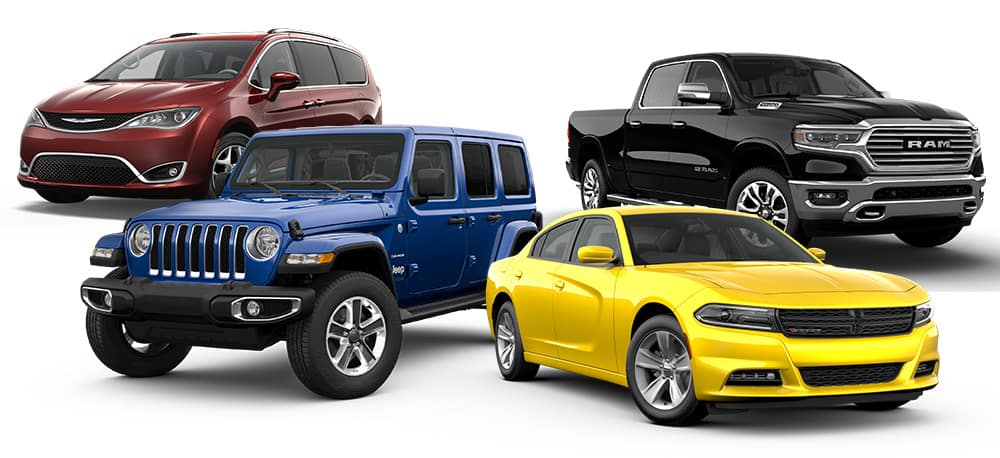
Your vehicle can support your hobbies and lifestyle activities. For example, off road driving requires capable vehicles like Jeep models, while long highway travel benefits from fuel efficient sedans or SUVs with cruise control and comfort features.
Choosing based on interest ensures long term satisfaction with your vehicle.
How to Start the Car Buying Process
Self Evaluation Before Buying
Start by identifying how you will use the vehicle most often. Consider daily commuting, travel frequency, passenger needs, and storage requirements.
This step helps narrow down choices before visiting dealerships or exploring models.
Researching the Right Vehicles
Once your needs are clear, research vehicles that match your lifestyle. Compare features such as fuel efficiency, engine performance, safety systems, and interior space.
Modern vehicles often include technologies like TPMS (Tire Pressure Monitoring System), infotainment systems, and driver assistance features that improve safety and convenience.
Test Driving Before Decision Making
Test driving helps you understand real driving comfort, handling, braking response, and visibility. It also helps you compare how different vehicles feel on the road.
A vehicle may look good on paper, but real driving experience reveals its true suitability.
Getting Professional Guidance
Dealership experts and automotive professionals can help you understand technical differences between models. They can also recommend vehicles based on your lifestyle and budget.
Expert advice helps reduce confusion and improves decision confidence.
What Makes a Vehicle Truly Right for You
A suitable vehicle is not only about design or brand. It is about how well it integrates into your daily life.
The right car improves comfort, reduces stress during driving, and supports your long term mobility needs without unnecessary compromise.
Final Thoughts on Purposeful Car Shopping
Purpose driven car shopping ensures that your vehicle matches your lifestyle instead of forcing you to adjust your habits around the car.
By focusing on needs, researching properly, and test driving different options, you can make a confident and informed decision.
Categories:
Social