


Owning a car is not just about the thrill of the open road; it's also about the responsibility of proper care and maintenance. Whether you're a first-time car owner or simply new to the world of car maintenance, this beginner's handbook is here to guide you through the essential steps to keep your ride in top-notch condition.
1. Familiarize Yourself with the Owner's Manual
Your car's owner's manual is your go-to guide for understanding your vehicle's maintenance needs. It provides vital information regarding maintenance schedules, recommended fluids, tire pressure, and more. Take the time to read and understand this manual; it's your key to keeping your ride in great shape.
2. Regular Oil Changes
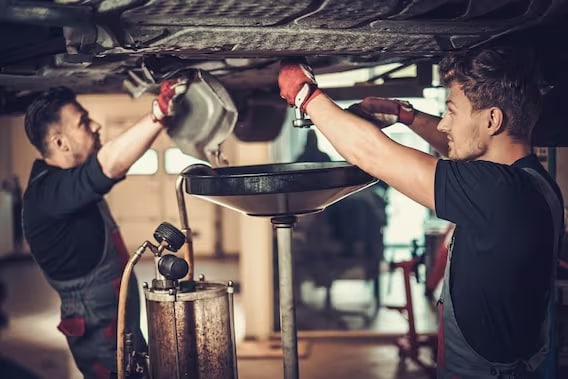
The engine oil is like the lifeblood of your car. Regular oil changes, as per your vehicle's specifications, help ensure your engine operates smoothly and efficiently. It's a simple yet crucial maintenance task.
3. Monitor and Maintain Fluid Levels
Various fluids, such as coolant, brake fluid, power steering fluid, and windshield washer fluid, play significant roles in your car's performance. Regularly check and maintain appropriate levels to ensure your vehicle functions properly.
4. Check and Rotate Your Tires
Tires wear unevenly due to their positions on your vehicle. Regular tire rotation helps ensure even wear and extends the life of your tires. Additionally, check the tire pressure regularly to maintain proper inflation.
5. Brake System Inspection
The brakes are among the most critical safety features of your car. Regularly inspect your brake pads, rotors, and brake fluid levels. Address any issues promptly to ensure your brakes function effectively.
6. Battery Health Check
A properly functioning battery is essential for starting your car and powering various electrical components. Check the battery regularly, clean any corrosion, and replace it if needed to avoid being stranded.
7. Keep Your Car Clean
Regular washing and cleaning of your car, both inside and out, not only enhances its appearance but also prevents damage and rust. A clean car is a happy car!
8. Air Filter Replacement
The air filter prevents dust and debris from entering your engine. Regularly check and replace it as needed to maintain optimal fuel efficiency and engine performance.
9. Lights and Signals
Regularly check your headlights, taillights, brake lights, and turn signals to ensure they're working correctly. Proper lighting is crucial for your safety and the safety of others on the road.
10. Scheduled Maintenance
Follow the manufacturer's recommended maintenance schedule provided in the owner's manual. Regular servicing at recommended intervals is vital for keeping your car in optimal condition.
11. Drive Smoothly
Avoid aggressive driving, sudden acceleration, and abrupt braking. Driving smoothly and within speed limits reduces wear and tear on your vehicle.
12. Emergency Kit
Always have a basic emergency kit in your car, including a first aid kit, flashlight, jumper cables, and a tire repair kit. You never know when you might need them.
13. Seek Professional Help When Needed
If you're unsure about any maintenance task, seek help from a trusted mechanic or a service center. Some tasks are best handled by professionals to ensure safety and accuracy.
14. Budget for Maintenance
Car maintenance comes with a cost. Set aside a budget for routine maintenance, unexpected repairs, and upgrades to keep your vehicle in prime condition.
15. Enjoy Your Ride
Lastly, enjoy the journey! Regular maintenance will keep your car running smoothly, allowing you to relish every mile on the road.
In conclusion, maintaining your ride is not only about enhancing its longevity and performance but also about ensuring your safety and the safety of others on the road. By following these basic car care tips, you'll be well on your way to being a responsible and savvy car owner.
Dive into Car Maintenance with our Beginner's Guide! Then, come to Gengras Chrysler Dodge Jeep Fairfield to discover and test drive the latest models. Your journey begins right here!
Categories:
Jeep Grand Cherokee, Rubicon, Ram 2500, Chrysler, Ram Truck, Dodge Ram 1500, Jeep Recon EV, Jeep Wrangler EV, Jeep, Recon, Wrangler, EV, 2024, Dodge Hornet, 2023, Body Shop, Service, Parts