



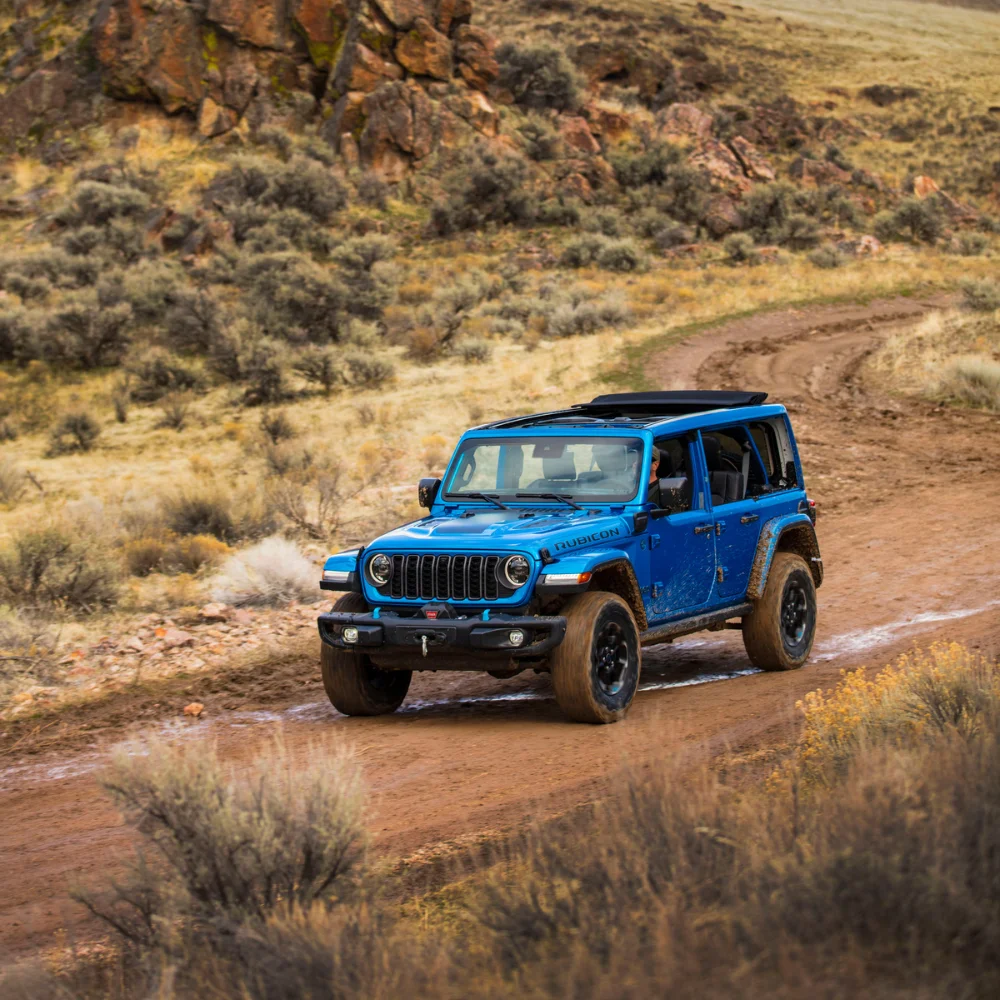
As the year comes to a close, it’s the perfect time to give your Jeep a full health check.
Cold weather, road salt, and busy holiday driving can all put extra stress on your 4×4 system.
Whether you already own a Jeep or you’re browsing jeeps for sale Connecticut shoppers love at Gengras CDJR Fairfield, a year-end inspection helps you stay safe, protect your investment, and get ready for 2026 adventures.
This guide will walk you through what to inspect, step by step, in simple, easy-to-follow terms.
Why a Year-End 4×4 Check Matters
Jeep vehicles are built to be tough, but they still need regular care.
Small issues can turn into big problems if they’re ignored.
A year-end check helps you:
-
Catch wear and tear early
-
Prepare for winter and early spring driving
-
Keep your Jeep reliable for daily driving and weekend trips
-
Protect resale value if you decide to trade up later
At Gengras CDJR Fairfield, many drivers schedule this kind of inspection at the end of the year so they’re ready for the new one.
Getting Ready: What You’ll Need
You do not have to be a mechanic to do a basic inspection.
A few tools and a careful eye go a long way.
Helpful items:
-
Flashlight
-
Tire pressure gauge
-
Paper towel or rag
-
Gloves
-
Owner’s manual
If anything looks or feels wrong, it’s always smart to book a visit with a professional service team.
Step-by-Step 4×4 Year-End Inspection Guide
Follow these steps in order for a simple but effective check.
You can do many of them at home or in your driveway.
Step 1: Inspect Your Tires
Your tires are your Jeep’s only contact with the road.
Good tires mean better traction, braking, and control.
Check the following:
-
Tread depth: If the tread looks shallow or uneven, it may be time to replace.
-
Cracks or bulges: These can be dangerous and may lead to a blowout.
-
Tire pressure: Use a gauge and compare to the recommended PSI in your door jamb or manual.
Low or worn tires are especially risky in snow, ice, or rain.
Step 2: Check Your 4×4 System
Your Jeep’s 4×4 system is what makes it so capable off-road and in bad weather.
Make sure it’s working smoothly before you need it.
Basic 4×4 check:
-
Park in a safe, open area.
-
Start the engine and keep your foot on the brake.
-
Shift into neutral, then engage 4×4 (refer to your manual for the correct steps).
-
Slowly drive forward and make a few gentle turns.
If you hear grinding, feel jerking, or if the 4×4 will not engage smoothly, get it inspected by a technician.
Step 3: Look Underneath – Undercarriage and Frame
The undercarriage takes a lot of abuse from dirt, rocks, and road salt.
Rust can weaken important parts over time.
Use a flashlight to check for:
-
Heavy rust or flaking metal on the frame
-
Wet spots that may show a fluid leak
-
Damage to skid plates or exhaust pipes
If you see a lot of rust or any leaks, it’s time to have a professional take a closer look.
Step 4: Inspect Brakes and Suspension Feel
You may not be able to fully inspect brakes without a lift, but you can still look and feel for warning signs.
Look through the wheels for:
-
Rotors that look deeply grooved or very rusty
-
Brake pads that look very thin
Pay attention while driving:
-
Does the Jeep pull to one side when braking?
-
Do you feel shaking in the steering wheel or pedal?
-
Do you hear squeaks or grinding?
These are signs your brakes or suspension may need service.
Step 5: Check Fluids
Fluids are the lifeblood of your Jeep.
They help the engine, transmission, brakes, and 4×4 system work properly.
Key fluids to check:
-
Engine oil: Use the dipstick to check the level and color. Dark or gritty oil may need changing.
-
Coolant: Look at the reservoir level and make sure it’s between “min” and “max.”
-
Brake fluid: Low levels can affect stopping power.
-
Transmission fluid (if accessible): Should not smell burnt.
-
Washer fluid: Important for winter visibility.
If levels are low often, there may be a leak.
Step 6: Test Your Battery
Cold weather is hard on batteries.
A weak battery can leave you stranded at the worst time.
At home, you can:
-
Look for corrosion on the terminals (white or green buildup).
-
Make sure the cables are tight.
If your Jeep cranks slowly, or if it’s been more than 3–5 years with the same battery, ask a dealer or shop to perform a battery test.
Step 7: Lights, Wipers, and Visibility
Good visibility is crucial, especially in winter and early evenings.
Walk around your Jeep and check:
-
Headlights (low and high beam)
-
Turn signals
-
Brake lights and reverse lights
-
Fog lights (if equipped)
Also, check your wiper blades.
If they streak, skip areas, or look cracked, it’s time to replace them.
Step 8: Interior and Safety Features
A year-end check is also a good time to look inside.
Make sure everything you rely on works correctly.
Test:
-
Heat and defrosters
-
Seat belts
-
Horn
-
Backup camera
-
Any warning lights on the dashboard
If a warning light stays on, schedule a diagnostic check so you know what’s going on.
Step 9: Review Your Maintenance History
Many Jeep owners forget what was done and when.
Year-end is the perfect time to catch up.
Ask yourself:
-
When was my last oil change?
-
Have I rotated my tires recently?
-
When were the brakes last serviced?
-
Have I done any 4×4 or differential service?
If you’re not sure, your dealership service department can often look this up by VIN.
When to Visit a Dealership
You don’t have to fix everything yourself.
In fact, some jobs are better left to trained technicians.
Visit a dealership if you notice:
-
Leaks, heavy rust, or strange noises
-
Difficulty engaging 4×4
-
Warning lights you don’t understand
-
Uneven tire wear or steering pull
-
Vibration at highway speeds
Gengras CDJR Fairfield can help with inspections, repairs, and maintenance, whether you already own a Jeep or are exploring Jeeps for sale Connecticut drivers trust for tough weather and daily life.
Thinking About Upgrading Before 2026?
A year-end check is also a good time to think about the future.
If your Jeep needs major repairs, you might consider trading it in.
Many drivers choose to:
-
Trade an older Jeep for a newer model with updated safety tech
-
Move from a 2-door to a 4-door for more family space
-
Upgrade to a trim with better off-road or comfort features
Checking out jeeps for sale Connecticut shoppers have access to at a dealer like Gengras CDJR Fairfield can help you compare the cost of repairs against the benefits of a newer vehicle.
FAQs: Year-End 4×4 Check for Jeep Owners
1. How often should I inspect my Jeep’s 4×4 system?
At least once a year, and before heavy winter use.
If you go off-road often, check it more frequently.
2. Can I drive in 4×4 all the time?
4×4 is helpful in snow, mud, and off-road conditions.
On dry pavement, constant use of some 4×4 modes can cause extra wear, so always follow your owner’s manual.
3. Do I really need winter or all-terrain tires?
If you face snow, ice, or unpaved roads, winter or all-terrain tires can make a big difference.
They offer better grip and shorter stopping distances than regular all-season tires.
4. How do I know if my brakes are going bad?
Listen for squeaks or grinding, and feel for vibration when you brake.
If the pedal feels soft or the Jeep pulls to one side, get your brakes checked.
5. Is rust on the undercarriage always serious?
Light surface rust is normal, especially in snowy states.
Heavy flaking, holes, or deep rust on structural parts should be checked by a professional.
6. What should I keep in my Jeep for winter emergencies?
Pack a blanket, flashlight, phone charger, snacks, water, gloves, ice scraper, and jumper cables.
These simple items can be very helpful if you get stuck or delayed.
7. When is the best time to schedule a year-end inspection?
Late fall through early winter is ideal.
You’ll be ready for bad weather and ahead of the New Year rush.
Getting your Jeep ready before 2026 is one of the best gifts you can give yourself.
With a careful year-end 4×4 check, you can drive into the new year with more confidence, whether you’re keeping your current Jeep or exploring fresh Jeeps for sale Connecticut has to offer at Gengras CDJR Fairfield.