



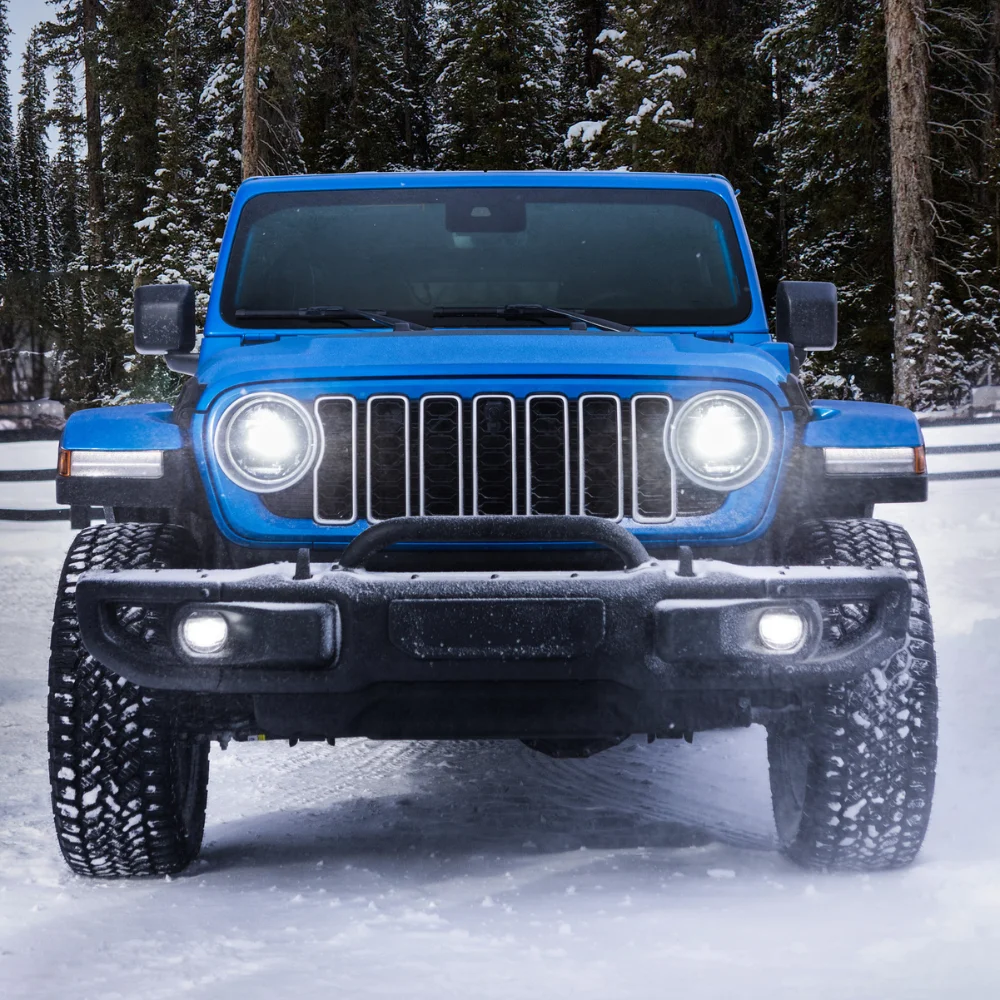
Connecticut winters can be tough on any vehicle, especially your Jeep.
Snow, slush, salt, and ice can build up quickly and affect how your Jeep performs.
If you drive often during winter, taking care of your undercarriage is one of the most important maintenance steps you can take.
The undercarriage includes parts like the frame, suspension, exhaust, and brake lines—all areas that salt can damage over time.
As a trusted Jeep dealer Fairfield drivers rely on, Gengras CDJR Fairfield wants to help you keep your Jeep strong, safe, and protected all winter long.
This guide explains why winter damage happens and how to prevent it.
Why Winter Driving Is Hard on Your Jeep
In Connecticut, snowstorms and freezing temperatures create conditions that are harsh on your vehicle.
Even though Jeeps are known for their strength, winter still takes a toll.
Two Major Winter Problems:
-
Road Salt Corrosion
When salt sticks to metal parts, it causes rust.
Rust weakens the frame, brake lines, and important components.
-
Moisture Buildup
Snow melts, refreezes, and melts again.
This cycle traps water under your Jeep and speeds up corrosion.
This is why protecting the undercarriage is essential for long-term safety and performance.
How Road Salt Damages Your Undercarriage
Salt is great for melting ice and making roads safer.
But it can also eat away at metal.
When road salt mixes with water, it creates a solution that’s very corrosive.
This solution can stick to your frame, muffler, suspension, fuel tank, and bolts.
Over time, this can lead to:
-
Rust holes
-
Loose brackets
-
Damaged brake lines
-
Worn suspension parts
-
Reduced vehicle lifespan
The good news?
With a few smart steps, you can protect your Jeep during every CT winter.
Key Areas of Your Jeep at Risk During Winter
Salt does not damage every area equally.
Some parts of your Jeep are more exposed than others.
1. Frame and Chassis
The frame is the structure that holds your Jeep together.
Salt buildup here can create serious long-term issues.
2. Brake Lines
Brake lines are thin metal tubes.
Corrosion can cause leaks and reduce braking power.
3. Exhaust System
Your muffler and pipes sit low to the ground.
Moisture and salt can weaken the metal.
4. Suspension Parts
Shocks, springs, and control arms take a beating during winter.
Salt can cause bolts and joints to rust.
5. Fuel Tank and Lines
Some older fuel tanks are metal and can rust if left unprotected.
This is why regular cleaning and protection are essential each winter.
How to Protect Your Jeep’s Undercarriage (Step-by-Step)
The best protection comes from a mix of cleaning, coating, and good habits.
Follow this simple step-by-step winter protection routine.
Step 1: Start with a Thorough Undercarriage Cleaning
Before winter hits, clean your undercarriage well.
This removes old dirt, mud, and early rust.
Options for Cleaning
-
Use a pressure washer
-
Visit a car wash with an undercarriage spray
-
Have a professional detail shop clean it
Cleaning prevents salt from sticking later.
Step 2: Apply an Undercarriage Coating
A protective coating creates a barrier between the metal and salt.
This is one of the best long-term solutions.
Common Types of Coatings
-
Oil-based undercoating
Great for older vehicles.
Spreads into cracks and prevents rust.
-
Rubberized undercoating
Helps block moisture and reduce road noise.
-
Electronic anti-rust modules
Newer technology used on some vehicles.
A technician at a trusted Jeep dealer Fairfield location can help you choose the best option.
Step 3: Rinse the Undercarriage Often
During winter, rinse at least once a week.
This washes away salt before it causes damage.
When to Rinse
-
After snowstorms
-
After driving through salted roads
-
When temperatures go above freezing
Choose a car wash with an undercarriage jet spray for the best results.
Step 4: Inspect the Undercarriage Regularly
Checking for early signs of damage helps prevent bigger issues.
You can inspect it yourself or ask a technician.
Look for:
-
Rust spots
-
Flaking paint or coating
-
Leaking fluid
-
Loose bolts
-
Cracks in suspension parts
Inspections can save you from expensive repairs later.
Step 5: Schedule Winter Maintenance
Jeeps are tough, but they still need seasonal care.
Winter maintenance helps protect your investment.
Winter Maintenance Checklist
-
Brake inspection
-
Tire rotation and pressure check
-
Suspension check
-
Battery test
-
Oil change
-
Undercarriage inspection
Your local dealership can handle all winter maintenance in one visit.
Extra Tips to Keep Your Jeep Protected
A few extra habits can help reduce winter damage even more.
1. Park Indoors When Possible
A garage keeps your Jeep dry and reduces rust.
2. Avoid Parking Over Snow Piles
Melting snow under your Jeep can trap moisture.
3. Use Floor Mats to Keep the Cabin Dry
Wet boots increase humidity, which affects the interior.
4. Consider Snow Tires
Snow tires reduce slipping, which helps protect your suspension.
5. Keep the Exterior Waxed
A strong wax coat protects your paint from salt.
These habits help your Jeep stay in great condition year after year.
Benefits of Undercarriage Protection
Keeping your undercarriage protected helps your Jeep last longer and perform better.
Main Benefits:
-
Prevents long-term rust
-
Protects important components
-
Keeps your Jeep performing well
-
Improves resale value
-
Saves money on future repairs
The more you protect now, the fewer problems you face later.
When to Visit a Jeep Dealer for Undercarriage Care
A professional can spot issues you may not see.
Dealership technicians are trained to inspect Jeeps specifically.
Visit a Jeep Dealer If:
-
You see rust forming
-
Your Jeep feels rough over bumps
-
You hear strange noises from below
-
Your brakes feel weak
-
You want a professional undercoating applied
As a trusted Jeep dealer in Fairfield, Gengras CDJR Fairfield can help with inspections, protection, and winter servicing.
FAQs About Winter Undercarriage Protection
1. Is road salt really that damaging?
Yes. Road salt speeds up rust and can damage important metal parts under your Jeep.
2. How often should I wash my undercarriage in winter?
Once a week is ideal, especially after storms or when roads are heavily salted.
3. What is the best undercoating for a Jeep?
Oil-based coatings work well for older vehicles, while rubberized coatings work well for newer models.
4. Can I undercoat my Jeep myself?
You can, but a professional service ensures better coverage and longer-lasting protection.
5. Does washing my Jeep in freezing weather cause damage?
No, as long as temperatures are not extremely low.
Modern car washes are designed for winter.
6. How do I know if rust has already started?
Look for reddish-brown spots, flaking metal, or bubbling paint.
7. Should new Jeeps also get undercoating?
Yes. New vehicles benefit from early protection before rust can develop.
Final Thoughts
Connecticut winters are known for creating tough driving conditions.
With the right care, your Jeep can stay strong, safe, and rust-free year after year.
By cleaning, coating, and checking your undercarriage regularly, you protect your vehicle from costly damage.
And when you need expert help, your trusted Jeep dealer in Fairfield is ready to assist with winter maintenance, inspections, and service.
Protect your Jeep today so it stays ready for every road—snowy, salty, or smooth.