



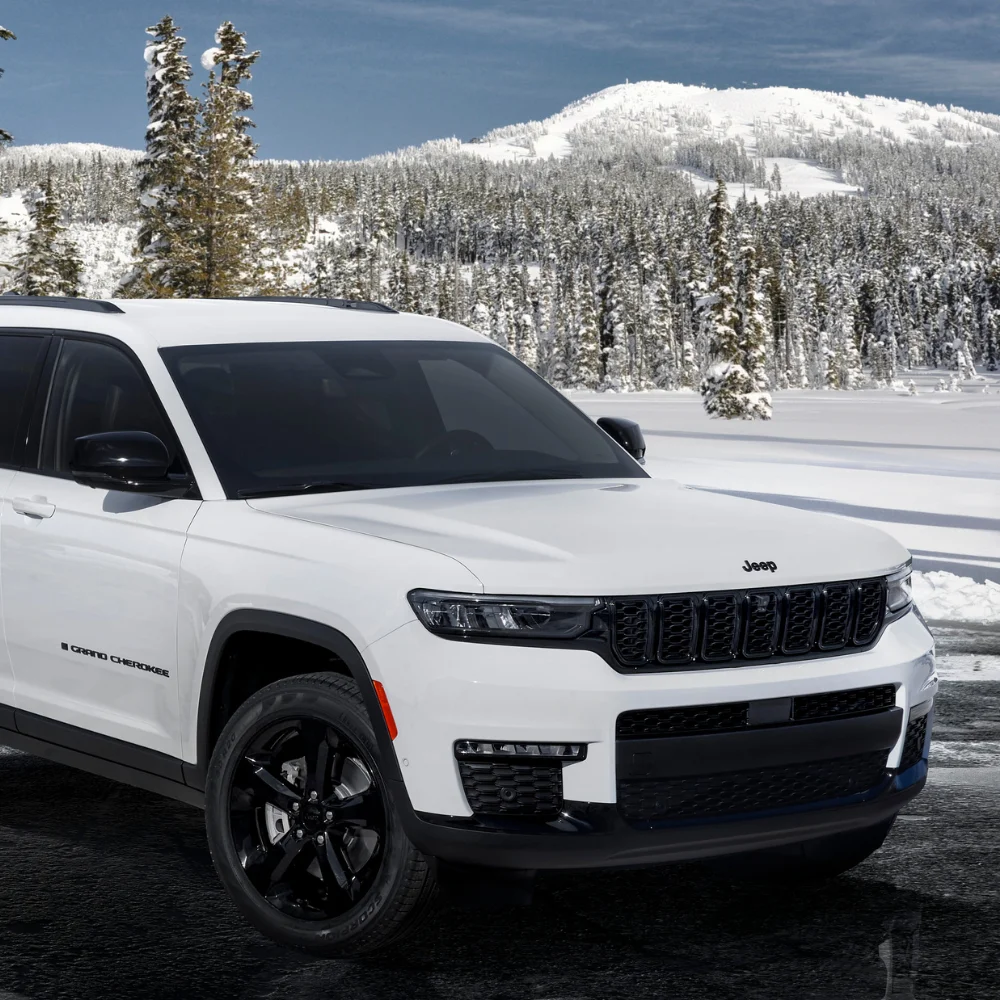
November in Connecticut brings that tricky in-between weather—cold mornings, frosty bridges, and wet leaves that can turn slick fast. For Jeep drivers, it’s the time to make the most of your vehicle’s Terrain Management System.
Knowing how to use it can keep you confident and in control, even when conditions change mile by mile.
Why Terrain Management Matters in Winter
Jeep’s Terrain Management System helps your vehicle adjust traction, throttle, and braking automatically.
Instead of guessing how much power to give each wheel, your Jeep does the work for you. It’s like having an expert co-pilot for icy or slushy roads.
The Basics: How Jeep Terrain Management Works
Most newer Jeeps feature a dial or drive-mode selector that tailors your 4×4 system to different surfaces.
By turning the knob or pressing a button, you adjust engine response, transmission shifts, traction control, and even suspension (on select models).
Common modes include:
-
Auto: Everyday balance of performance and traction.
-
Snow: Smooth starts, less wheelspin, and better grip.
-
Sand/Mud: Keeps power flowing to prevent bogging.
-
Rock: Maximizes low-speed torque and stability off-road.
Jeep Models with Terrain Management
You’ll find Terrain Management or Selec-Terrain systems in models such as:
-
Jeep Grand Cherokee
-
Jeep Compass
-
Jeep Cherokee
-
Jeep Renegade
-
Jeep Gladiator
-
Jeep Wrangler
Each model has a slightly different setup, but the goal is the same—give you control no matter what’s under your tires.
Step-by-Step: Choosing the Right Mode for November Roads
-
Start in Auto Mode.
Perfect for dry or slightly damp pavement. It balances power and efficiency.
-
Switch to Snow Mode.
Use this when temperatures drop and frost or light snow appears. The system softens throttle input to prevent spinning wheels.
-
Use Sand/Mud Mode on Slushy Streets.
This helps keep momentum when snow turns heavy or when slush collects at intersections.
-
Rock Mode for Driveways or Trails.
If you live on a steep or unpaved road that freezes, Rock Mode helps at slow speeds by sending more torque to the wheels that grip best.
When and How to Use Snow Mode
Snow Mode adjusts transmission shifts and traction control to give smoother starts.
Steps:
-
Turn the selector to Snow before you start driving.
-
Accelerate gently. The system will automatically split torque between front and rear wheels.
-
Leave Snow Mode on until roads are dry again.
It’s ideal for morning commutes when bridges and shaded areas hold frost.
Step-by-Step: Handling an Icy Hill
-
Before the climb, engage 4×4 or Snow Mode.
That ensures balanced traction.
-
Maintain steady speed.
Avoid sudden acceleration or braking.
-
If descending, use engine braking.
Downshift or use manual mode to control speed without locking the brakes.
-
Stay straight.
Don’t make sharp turns—tires lose grip quickly on ice.
Understanding Traction Control and Stability Assist
Modern Jeeps have electronic aids that react faster than humans can.
-
Traction Control: Reduces wheelspin when one tire slips.
-
Electronic Stability Control: Keeps your Jeep from sliding sideways during turns.
-
Hill Descent Control (HDC): Automatically brakes on steep descents for steady downhill control.
Keep these features on during icy or snowy driving. Turning them off should only be done off-road or if you’re stuck and need to rock the vehicle free.
Tire Tips for Icy Roads
Even the best 4×4 can’t grip on bald tires.
Check these before your first frost:
-
Tread depth: Minimum 5/32" for winter traction.
-
Pressure: Check monthly; cold air reduces PSI.
-
Condition: Look for cracks or uneven wear.
-
Type: Consider winter or all-weather tires for better performance below 44°F.
Step-by-Step: Pre-Drive Jeep Safety Routine
-
Clear snow and ice completely.
Don’t forget headlights and taillights.
-
Check wipers and fluid.
Use winter-rated washer fluid to prevent freezing.
-
Warm up your Jeep.
Let the engine run 30–60 seconds before driving.
-
Set your mode.
Choose Auto or Snow before you leave the driveway.
-
Keep traction aids on.
They’ll automatically adjust to help you stay in control.
Parking Lot and Bridge Caution
Icy patches form first on bridges and shaded areas.
When approaching:
-
Slow down before entering.
-
Keep steering steady—no sudden moves.
-
Avoid braking hard until tires have full traction again.
CT-Specific Challenges in November
Connecticut’s weather swings between wet, cold, and freezing within hours. Morning frost may melt by midday and refreeze overnight.
Snow Mode helps handle these quick changes, especially for drivers commuting between Fairfield, Hartford, and coastal towns where temperatures vary widely.
Common Mistakes to Avoid
-
Using 4×4 on dry pavement: This can strain the drivetrain.
-
Overconfidence in 4×4: It helps you go, but not stop faster.
-
Ignoring tire health: Even Terrain Management can’t fix worn tread.
-
Late braking on ice: Start slowing down sooner than usual.
Step-by-Step: Recovering from a Slide
-
Stay calm. Don’t slam the brakes.
-
Ease off the gas. Let the tires regain grip.
-
Steer where you want to go. Look ahead, not at the obstacle.
-
Once steady, accelerate gently to regain momentum.
Your Jeep’s stability system will assist, but smooth steering makes all the difference.
Maintenance Before the Freeze
-
Check your battery strength.
-
Inspect belts and hoses for cracks.
-
Ensure antifreeze levels are correct.
-
Test defrosters and heaters.
-
Keep at least half a tank of gas to prevent fuel line freeze.
Emergency Kit Essentials for CT Drivers
Always keep these in your Jeep during winter:
-
Blanket and gloves
-
Flashlight and extra batteries
-
Ice scraper
-
Jumper cables or jump starter
-
Tire inflator
-
First-aid kit
-
Non-perishable snacks and water
These small items can make a big difference if you get stuck or delayed.
FAQs
When should I switch to Snow Mode?
Use it anytime roads are icy, snowy, or even wet with temperatures below freezing.
Can I use Auto Mode all winter?
Yes, but Snow Mode gives extra traction and control in slippery conditions.
Does 4×4 help me stop faster?
No. It only helps with acceleration and traction. Braking still depends on tires and road grip.
Should I turn off traction control on snow?
Keep it on unless you’re stuck and trying to rock the vehicle free.
Is Snow Mode okay for highway driving?
Yes. It adjusts automatically for traction and stability at higher speeds.
What tire pressure should I use in winter?
Follow the sticker on your door jamb. Check pressure monthly as cold air lowers PSI.
Can I use Sand/Mud Mode in snow?
You can in deeper snow or slush, but Snow Mode is safer for icy surfaces.
Visit Gengras CDJR Fairfield
Your Jeep is built for all seasons—but a little prep goes a long way in winter.
At Gengras CDJR Fairfield, our service team can inspect your tires, brakes, and 4×4 system before the next cold snap. If you’re looking for trusted Jeep dealerships near me, we’ll help you explore models equipped with advanced Terrain Management Systems designed for New England weather.
Final Takeaway
Winter driving doesn’t have to be stressful. With the right settings, steady habits, and a quick pre-drive check, your Jeep can handle whatever November roads bring.
Use your Terrain Management System, trust your training, and let your Jeep do what it was built to do—keep you confident when the roads turn icy.