



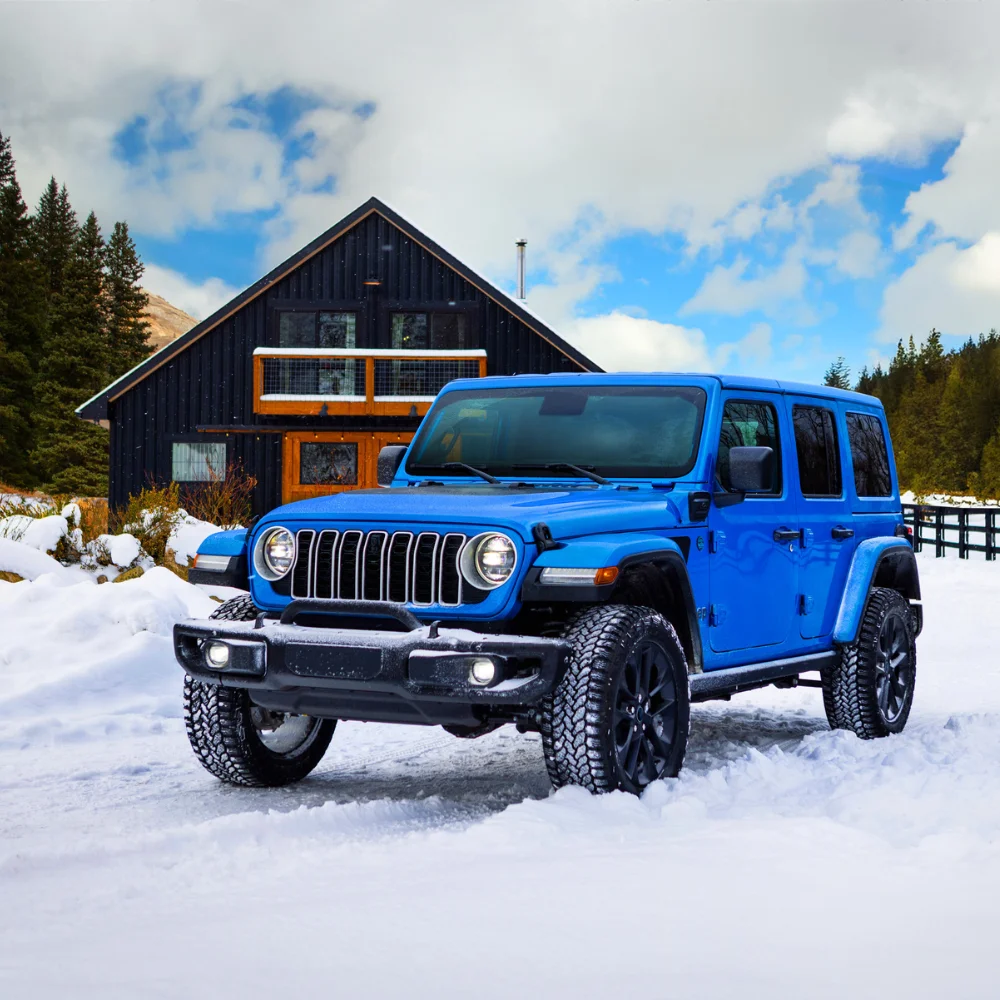
Cold weather is tough on car batteries. If you drive a Jeep in Connecticut, a little care now can prevent a no-start on a freezing morning.
This guide explains what to check, how to protect your battery, and when to replace it—so you’re ready for winter roads.
Why Cold Hurts Batteries
Batteries make power through chemical reactions. In cold weather, those reactions slow down and reduce available energy.
At the same time, your Jeep needs more power to start a cold engine and run heaters, defrosters, and lights.
Signs Your Battery Is Struggling
Watch for hints before you get stuck.
-
Slow cranking when you turn the key
-
Dim headlights at idle, brighter when revving
-
Clicking sound from the starter
-
Warning light for battery or charging system
If you see one or more of these, schedule a quick test.
Know the Numbers: CCA and Reserve Capacity
Cold Cranking Amps (CCA) tells you how much power a battery can deliver in cold temps. Higher CCA is helpful for CT winters.
Reserve Capacity (RC) shows how long the battery can power essentials if the alternator fails. A solid RC is insurance during heavy accessory use.
AGM vs. Flooded Batteries
AGM (Absorbent Glass Mat) batteries handle cold and vibration better. They also recharge faster after short trips.
Flooded lead-acid batteries are budget-friendly but may struggle more in extreme cold. If you use winches, light bars, or frequent remote start, consider upgrading to AGM.
The Short-Trip Problem
Quick, local drives don’t recharge a battery fully. Starting the engine drains energy, and a five-minute trip may not restore it.
Try to combine errands. Give your Jeep at least 20–30 minutes of driving after a cold start to top up the charge.
Accessories and Parasitic Draws
Chargers, dash cams, and plugged-in coolers can keep pulling power after you park. Even interior lights or a glove box light can drain a battery overnight.
Unplug extras when not driving. If the battery dies repeatedly, ask for a parasitic draw test.
Step-by-Step: 10-Minute Driveway Battery Check
-
Look for corrosion. White or green buildup on the terminals reduces power flow.
-
Check tightness. Gently wiggle the cables; they should not move.
-
Inspect the case. Bulges or cracks mean the battery is failing.
-
Read the date. Most batteries last 3–5 years; test if older than three.
-
Test voltage (if you have a meter). Engine off: 12.4–12.7V is healthy. Below 12.2V suggests a low state of charge.
-
Start the engine. You should see ~13.8–14.6V. Lower or higher may indicate charging issues.
Step-by-Step: Clean Battery Terminals Safely
-
Turn the Jeep off and remove the key.
-
Disconnect negative (-) first, then positive (+).
-
Mix baking soda and water to neutralize corrosion.
-
Scrub with a brush until metal is shiny.
-
Rinse, dry, and apply protectant or a light coat of dielectric grease.
-
Reconnect positive (+) first, then negative (-), and tighten.
Charging Strategy for Winter
Use a smart charger or maintainer if your Jeep sits for days. This keeps the battery topped off without overcharging.
Avoid frequent deep discharges. One full drain can shorten battery life, especially in cold weather.
Remote Start and Idling: Use Wisely
Remote start is great for comfort, but long idling uses fuel and electricity. It also may not recharge the battery much at low RPMs.
Use remote start for a few minutes, then drive gently to warm everything up and restore charge.
Alternator Health: The Other Half of the Story
Your alternator powers the Jeep and recharges the battery while driving. If it’s weak, you’ll see dim lights and frequent warning icons.
Ask for a charging system test if you notice flicker, squeal from the belt, or repeating low-voltage readings.
Step-by-Step: Jump-Starting a Jeep (Safely)
-
Park close and turn both vehicles off.
-
Connect red to dead (+), then red to donor (+).
-
Connect black to donor (–), then black to a clean, unpainted metal ground on the dead vehicle (not the battery).
-
Start the donor, wait 2–3 minutes, then start the Jeep.
-
Let it run for 15–20 minutes or drive to recharge.
-
Remove cables in reverse order.
If the battery dies again soon, get a test—there may be deeper issues.
Winterizing Your Electrical System
-
Inspect belts and pulleys. A slipping belt lowers alternator output.
-
Check grounds. Clean, tight grounds improve charging.
-
Review fuses. Repeatedly blown fuses signal wiring or accessory problems.
-
Consider heated accessories wisely. Seat and wheel heaters are helpful—just turn them off once warm.
Tire Pressure, Lights, and Wipers Matter Too
Cold air lowers tire pressure, which adds rolling resistance and makes the alternator work a bit harder under load. Keep PSI at the door-jamb spec.
Bright, clean headlights and good wipers reduce electrical strain from running systems longer than needed. Replace worn blades and cloudy bulbs.
Battery Replacement: When It’s Time
If your battery is older than 3–5 years, weak under load, or fails a professional test, replace it before deep winter.
Match OE specs or better for CCA and choose AGM if you run accessories, tow, or off-road. Keep your radio codes and settings handy if needed after replacement.
Step-by-Step: Storing a Spare Battery or Seasonal Jeep
-
Charge fully with a smart charger.
-
Store in a cool, dry place off the concrete floor.
-
Use a battery maintainer monthly or leave it on a smart tender.
-
Label the last charge date and check voltage every 30 days.
Myths to Ignore
-
“Bigger is always better.” An oversized battery can stress mounts or wiring. Follow Jeep specs.
-
“Idling recharges fast.” Alternators charge best while driving at moderate RPM.
-
“Any charger will do.” Cheap, constant chargers can overcharge; use a smart maintainer.
-
“Jumping means the battery is fine.” It may start now, but still be weak—test to confirm.
CT-Specific Tips for Winter Starts
Connecticut mornings can swing from damp to freezing in hours. Frost builds on bridges and river-adjacent roads first.
Park facing out for an easier jump if needed, and keep a compact jump pack in the cargo area. Charge it monthly.
Quick Pre-Drive Checklist (30 Seconds)
-
Lights on and bright
-
Heater and defroster are strong
-
No warning icons
-
Windows clear of frost and fog
-
Phone chargers are unplugged if not needed
Small habits add up to a reliable winter.
When to See a Pro
-
Repeated slow cranks or no-starts
-
Electrical smells or hot 12V outlets
-
Battery light or unstable voltage readings
-
Accessory upgrades (winch, light bars, fridge) needing a clean power plan
A professional test can spot issues early and keep you on schedule.
Visit Gengras CDJR Fairfield
Stay ahead of winter with a fast battery test and charging system check. Our team can clean terminals, run load tests, and recommend the right AGM or OE battery for your Jeep.
If you’re planning an upgrade, come explore Jeeps for sale in CT at Gengras CDJR Fairfield. We’ll help you choose the right model and winter-ready accessories for your commute, weekend trails, or holiday road trips.
FAQs
How often should I test my battery in winter?
Test at the start of the season and again if you notice slow starts or dim lights.
What voltage is “too low” on a parked Jeep?
Below 12.2V suggests a low state of charge. Charge the battery and test again.
Do AGM batteries really help in the cold?
Yes. They deliver higher cold-start performance and recover faster after short trips.
Will a bigger alternator fix everything?
Not always. Fix loose belts, weak grounds, or drains first. Then consider higher output if you run heavy accessories.
Is remote start bad for the battery?
Short use is fine. Long idling doesn’t recharge well—drive to restore charge.
How long should I drive after a jump-start?
At least 20–30 minutes of steady driving. Then test the battery to see if it holds charge.
Can I mix old and new batteries?
No. Always replace with one new battery that meets specs. Mixing ages or types can cause charging issues.
Final Takeaway
Winter is hard on Jeep batteries, but smart habits make it easy to stay ready. Test early, keep terminals clean, manage accessories, and drive long enough to recharge.
With quick checks at home—and support from Gengras CDJR Fairfield—you’ll start strong all season and enjoy every cold-weather drive.
Categories:
Winter Tips, Maintenance, Gengras CDJR, Jeep, New Inventory, Pre-Owned Inventory, Service, Parts