



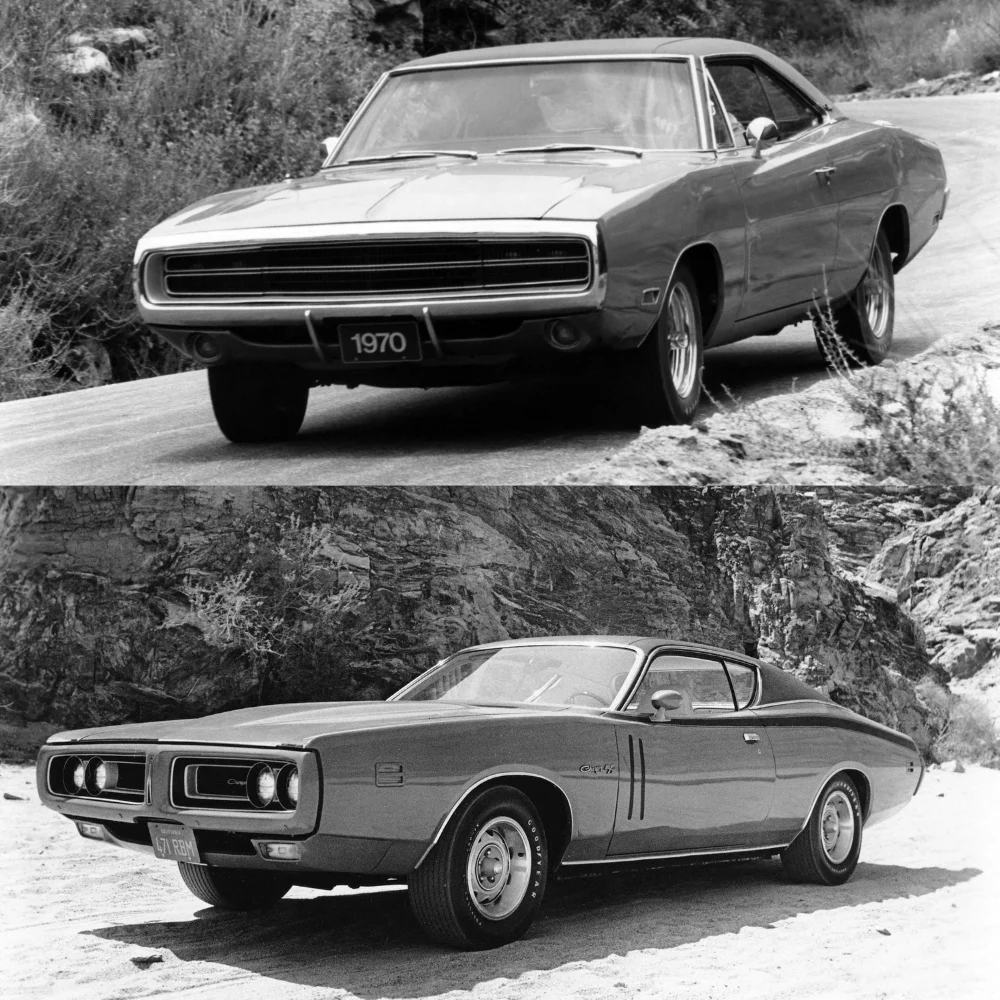
The 1970 Dodge Charger is one of the most loved classic muscle cars. Prices can swing a lot, even between two cars that look similar in photos. This guide explains what a 1970 Charger is worth today, what drives the price up or down, and how to shop smart before you buy.
Why 1970 Dodge Charger Values Vary So Much
Not all 1970 Chargers are the same. Trim level, engine, condition, and paperwork can change the value by tens of thousands of dollars.
Auction data shows a wide range, from low “project” cars to rare, high-end builds. One valuation dataset shows fair-condition cars starting around a few thousand dollars, while top-condition examples can reach into the hundreds of thousands.
What Is a 1970 Dodge Charger Worth Right Now?
A realistic value depends on condition and rarity. One large auction-based dataset shows these broad ranges for 1970 Dodge Charger values:
- Fair condition: about $6,100 to $42,900
- Good condition: about $42,900 to $66,000
- Excellent condition: about $66,000 to $97,500
- Perfect condition: about $97,500 to $352,000
That same source lists a median sale value of $66,000, based on 263 auction sales.
Recent Market Clues Buyers Should Notice
The classic car market moves with trends, supply, and demand. Even for the same model, yearly auction medians can rise or fall. In the same dataset, the median auction sale for 1970 Chargers is listed at $107,800 in 2024 and $96,250 in 2025, showing how the market can shift year to year.
Trim Level Impacts Value More Than Most People Think
A base Charger is not priced like an R/T. Special trims and rare options can push prices much higher. One dataset breaks out median sales by body style and shows higher medians for performance-focused versions. For example, it lists a higher median for an R/T Hardtop than for a standard Hardtop.
Engine Choice Can Make or Break the Price
Engines are a huge part of classic Charger pricing. Big-block and rare engines usually bring stronger money. An auction-based dataset shows large differences in median sale by engine, including much higher medians for rare, high-performance engines.
Condition: The 4 Levels Most Buyers Use
Condition is more than “clean” or “rough.” Collectors often group cars into levels like fair, good, excellent, and concours-level. Even pricing tools built for collectors show that condition changes the value quickly. For example, one valuation tool lists a “good condition” value for a base 1970 Charger configuration at $29,900.
Original vs. Restored: Which Is Worth More?
Original cars can be valuable if they are well-kept and documented. Restored cars can be valuable if the work is high-quality and matches the factory build. Bad restorations can hurt value. Overdone paint, incorrect parts, and missing paperwork can scare serious buyers away.
Paperwork and Proof: The “Hidden” Value Driver
Documents help prove what the car really is. They also help protect you from buying the wrong trim or engine.
Strong paperwork can include:
- VIN verification
- Fender tag details
- Build sheet (if available)
- Receipts for restoration and parts
- Ownership history
If a seller cannot explain the car’s story, price negotiations usually get tougher.
Step-by-Step Guide: How to Estimate a 1970 Charger’s Value
You don’t need to be an expert to make a smart offer. You just need a repeatable process.
Step 1: Identify the Exact Trim and Engine
Start with what the car really is. Ask the seller for photos of the VIN plate, fender tag, and engine stampings. If the seller avoids these questions, slow down. A real seller should expect them.
Step 2: Rate the Condition Honestly
Use a simple scale:
- Project: not running, heavy rust, missing parts
- Driver: runs, looks decent, needs work
- Nice: clean inside and out, strong mechanicals
- Show-ready: high-quality restoration, near flawless
Then match that condition to real market ranges. Auction-based ranges provide a useful starting point for “fair to perfect” pricing.
Step 3: Compare to Real Sales, Not Just Asking Prices
Online listings often start high. Auction results and market datasets show what people actually paid. If you see a seller's price far above typical ranges for similar condition, ask what makes the car special.
Step 4: Inspect the Rust Areas First
Rust repairs are expensive and time-consuming. Check the common areas:
- Frame rails
- Floor pans
- Trunk floor
- Rocker panels
- Lower fenders
- Rear quarter panels
If you see fresh undercoating everywhere, ask why. It can hide problems.
Step 5: Check the Quality of the Restoration
Look closely at:
- Panel gaps and body lines
- Paint quality and overspray
- Wiring and engine bay cleanliness
- Interior fit and finish
- Brake and suspension condition
A shiny car can still be poorly rebuilt. You’re buying the work behind the shine.
Step 6: Budget for the First Year of Ownership
Classic cars usually need “catch-up” work. Plan for:
- Fluids, hoses, belts
- Tires and brakes
- Cooling system checks
- Electrical fixes
- Safety upgrades
This budget helps you avoid paying too much up front.
Red Flags That Often Signal a Bad Deal
Some warning signs show up often with classic muscle cars. Treat these as reasons to pause and verify.
- No VIN/tag photos
- Title problems or missing paperwork
- “Numbers matching” claims with no proof
- Fresh paint with no restoration photos
- Rust repair that looks rushed
- Seller won’t allow an independent inspection
A clean story is part of the value.
What Buyers Should Know About “Numbers Matching”
“Numbers matching” means key parts match the car’s original build. This can raise value when it’s documented. But the term is often used loosely. Ask for photos, stamps, and supporting documents before you pay extra.
How to Buy With Confidence in Connecticut
If you’re shopping locally, you can still use national market data to guide your offer. The key is to combine the numbers with a careful inspection. If you’re not comfortable inspecting a classic yourself, hire a qualified inspector. That small cost can prevent a very expensive mistake.
FAQs About 1970 Dodge Charger Value
How much is a 1970 Dodge Charger worth today?
It depends on trim, engine, and condition. Auction-based data shows a very wide range, from fair-condition prices in the low thousands to top-condition examples in the hundreds of thousands.
What makes a 1970 Charger worth more money?
Rarity and proof. R/T models, rare engines, strong documentation, and high-quality restoration usually push values higher.
Is a restored Charger always worth more than an original one?
Not always. A great restoration can raise value, but a poor restoration can lower it. Clean originality with strong documentation can also be very desirable.
Should I trust the seller’s asking price?
Use it as a starting point, not the final answer. Compare the car to real sale data and condition-based ranges before making an offer.
What is a “median sale value” and why does it matter?
Median sale is the middle price in a set of sales. It can help you understand a “typical” sale result, but your exact car can be higher or lower based on trim, engine, and condition.
Looking for a Modern Charger Instead?
Classic Chargers are amazing, but they are not right for everyone. If you want modern comfort, daily-driver safety, and easier ownership, a newer Charger can be a better fit.
If you’re searching for a Dodge Charger for sale near Fairfield, CT, Gengras CDJR Fairfield can help you compare trims, features, and payment options so you can choose the right Charger for your lifestyle.
Categories:
Social