



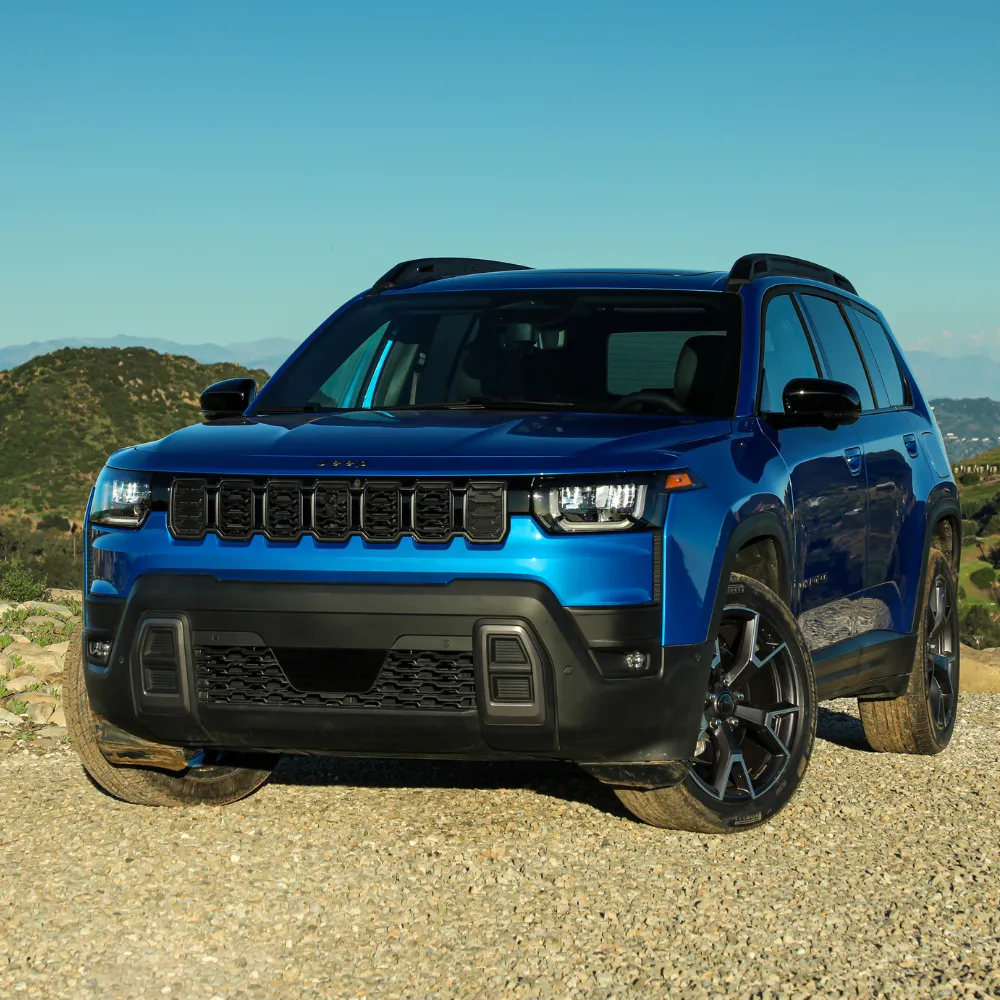
As fall temperatures begin to drop in Connecticut, preparing your Jeep for colder weather becomes an important part of vehicle ownership. Rain, frost, snow, and icy roads can create challenging driving conditions, making regular maintenance essential for safety and reliability.
Whether you drive a Jeep Wrangler, Grand Cherokee, Compass, or Gladiator, seasonal maintenance helps protect your vehicle's performance. Checking important components before winter arrives can also help prevent unexpected repairs and costly breakdowns.
If you are looking for a trusted Jeep dealer in Fairfield, CT, Gengras CDJR Fairfield is a local option for discussing your Jeep's maintenance needs. This guide covers essential cold-weather maintenance tips, a step-by-step service checklist, and helpful advice for keeping your Jeep ready for Connecticut winters.
Why Cold-Weather Maintenance Matters for Your Jeep
Connecticut winters can bring freezing temperatures, heavy snowfall, and slippery roads. These conditions place additional demands on your vehicle's battery, tires, brakes, and other important systems.
Preparing your Jeep before winter helps reduce the risk of mechanical problems. It also allows you to address minor issues before they become more serious.
Benefits of Seasonal Jeep Maintenance
Regular cold-weather maintenance offers several advantages:
-
Improved safety: Properly maintained tires and brakes help support vehicle control.
-
Better reliability: Routine inspections can identify worn or damaged components.
-
Reduced repair costs: Preventive maintenance may help avoid expensive repairs.
-
Improved performance: Correct fluid levels and healthy vehicle systems support smooth operation.
-
Greater comfort: A working heater and defroster make winter driving easier.
-
Longer vehicle life: Regular maintenance helps protect important mechanical parts.
Following a seasonal maintenance schedule can help keep your Jeep ready for changing road conditions.
Seven Essential Jeep Maintenance Tips Before Winter
Before colder weather arrives, take time to inspect your vehicle's most important components. These seven maintenance checks can help improve safety, comfort, and reliability.
1. Inspect Your Jeep Tires and Tire Pressure
Tires play a major role in keeping your Jeep stable on wet, snowy, or icy roads. As temperatures decrease, tire pressure can drop, affecting handling and tire performance.
Check tire pressure regularly and follow the recommended specifications listed on your vehicle's doorjamb label.
Cold-weather tire checklist:
-
Check tire pressure when tires are cold.
-
Inspect tread depth and uneven wear.
-
Look for cracks, cuts, or visible damage.
-
Rotate tires according to the recommended schedule.
-
Consider winter tires for frequent snow or ice driving.
-
Inspect the spare tire if your Jeep has one.
Even if your Jeep has four-wheel drive, proper tires remain essential for safe winter travel.
2. Test Your Jeep Battery Before Freezing Temperatures
Cold weather can make it harder for a weak battery to start your engine. A battery that performs well during summer may struggle when temperatures fall.
Have your battery tested before winter, especially if it is several years old. A technician can inspect the battery's condition, electrical connections, and charging system.
Warning signs of a weak battery include:
-
Slow engine cranking
-
Difficulty starting
-
Dim headlights
-
Electrical problems
-
Battery warning lights
If you notice these symptoms, schedule an inspection before the weather becomes colder.
3. Check Engine Oil and Essential Fluids
Your Jeep depends on several fluids to operate correctly. Cold temperatures can affect fluid performance, making it important to use the correct products.
Review your owner's manual for recommended fluid types and maintenance intervals.
Important fluids to inspect include:
-
Engine oil
-
Engine coolant
-
Brake fluid
-
Transmission fluid, when applicable
-
Windshield washer fluid
-
Power steering fluid, if equipped with a hydraulic system
Ask a qualified technician to inspect fluid levels and check for leaks. Never open a hot cooling system.
4. Inspect Your Braking System
Winter driving often requires careful braking because snow and ice can reduce traction. Your Jeep's braking system should be in good condition before severe weather arrives.
Have your brake pads, rotors, and related components checked if you notice unusual noises or changes in braking performance.
Common warning signs include grinding sounds, vibrations, a soft brake pedal, or longer stopping distances.
5. Replace Worn Windshield Wipers
Clear visibility is essential during winter storms. Snow, rain, and road spray can make driving difficult when windshield wipers are worn.
Inspect your wiper blades for cracks, damage, or streaking. Replace them if they no longer clear the windshield properly.
Use windshield washer fluid designed for freezing temperatures to help prevent the washer system from freezing.
6. Test the Heating and Defrosting Systems
A properly working heater keeps passengers comfortable during cold weather. The defroster also helps remove moisture and frost from your windshield.
Before winter arrives, test the heater, front defroster, and rear window defogger if equipped.
If the system blows cold air or struggles to clear the windows, have it inspected by a professional.
7. Check Your Jeep's Four-Wheel-Drive System
Many Jeep vehicles offer four-wheel-drive systems designed to improve traction in certain driving conditions. These systems should operate correctly before winter travel.
If your Jeep has selectable four-wheel drive, review the owner's manual for proper operation. Different driving conditions may require different settings.
Four-wheel drive can help with traction, but it does not eliminate the risk of sliding on icy roads. Safe driving habits remain important.
Step-by-Step Guide to Preparing Your Jeep for Winter
Preparing your Jeep for colder weather does not need to be complicated. Following a simple maintenance plan can help you stay organized.
Step 1: Review Your Jeep Maintenance Schedule
Start by checking your owner's manual for recommended service intervals. Maintenance requirements vary depending on the model, mileage, age, and driving conditions.
Make a list of services that may be due before winter.
Step 2: Complete a Basic Vehicle Inspection
Walk around your Jeep and look for visible problems. Inspect tires, lights, windshield wipers, and accessible fluid levels.
Pay attention to dashboard warning lights or unusual sounds while driving.
Step 3: Contact Gengras CDJR Fairfield
If you are searching for a Jeep dealer in Fairfield, CT, consider contacting Gengras CDJR Fairfield to discuss seasonal maintenance options.
Ask about available service appointments and explain any concerns you have noticed.
Step 4: Request a Cold-Weather Inspection
Ask which seasonal checks are recommended for your Jeep. A technician can evaluate important components based on the vehicle's condition and maintenance history.
Focus on battery health, tire condition, brakes, fluids, and heating performance.
Step 5: Review Recommended Repairs
If the inspection identifies problems, request a clear explanation of the recommended work. Ask which repairs should be completed immediately and which can be scheduled later.
Review estimated costs before approving any service.
Step 6: Keep Your Maintenance Records
Save service receipts and inspection reports. These records help you track completed maintenance and plan future appointments.
Keeping organized records may also be useful when selling or trading in your Jeep.
Step 7: Continue Checking Your Jeep Throughout Winter
Winter preparation should not end after one service appointment. Continue checking tire pressure, washer fluid, lights, and warning indicators throughout the season.
Address unusual vehicle behavior promptly to reduce the risk of larger problems.
Additional Winter Driving Tips for Jeep Owners in Fairfield, CT
Even a well-maintained Jeep requires careful driving during winter. Connecticut roads can become slippery during snowstorms, freezing rain, and sudden temperature changes.
Prepare a Winter Emergency Kit
Keeping emergency supplies in your vehicle can help you manage unexpected delays or roadside problems.
Consider carrying:
-
Warm blankets and extra clothing
-
Flashlight and spare batteries
-
Portable phone charger
-
Ice scraper and snow brush
-
First-aid kit
-
Drinking water and snacks
-
Jumper cables or a suitable jump starter
-
Reflective warning triangles
-
Small shovel
Check these supplies regularly to make sure they remain ready for use.
Adjust Your Driving Habits
Reduce your speed when roads are wet, snowy, or icy. Leave additional distance between your Jeep and other vehicles to allow more time for braking.
Avoid sudden steering movements, hard braking, and rapid acceleration. Always clear snow and ice from your vehicle before driving.
Protect Your Jeep From Road Salt
Road salt helps improve winter road conditions, but it can contribute to corrosion over time. Washing your Jeep regularly can help remove salt and dirt from exposed surfaces.
Pay attention to the undercarriage, wheel wells, and other areas where road salt may collect.
Why Choose Gengras CDJR Fairfield for Jeep Maintenance?
Finding a dealership familiar with Jeep vehicles can make maintenance planning easier. Gengras CDJR Fairfield serves drivers in Fairfield, CT, and surrounding communities who own Chrysler, Dodge, Jeep, and Ram vehicles.
Jeep owners can contact the dealership to discuss service needs, maintenance schedules, and available appointments. Whether your vehicle needs routine maintenance or an inspection before winter, planning ahead can help reduce unexpected problems.
If you are looking for a Jeep dealer in Fairfield, CT, Gengras CDJR Fairfield is an option to consider for vehicle information and seasonal service planning.
Frequently Asked Questions About Jeep Winter Maintenance
1. When should I prepare my Jeep for winter in Connecticut?
September through November is a good time to complete seasonal maintenance. Preparing your Jeep before freezing temperatures arrive gives you time to address potential problems.
2. Does my Jeep need winter tires if it has four-wheel drive?
Winter tires can improve traction and braking performance in cold, snowy, and icy conditions. Four-wheel drive helps with traction during acceleration but does not replace proper tires.
3. How often should I check my Jeep's tire pressure during winter?
Check tire pressure at least once a month and before long trips. Cold temperatures can lower tire pressure, so regular inspections are important.
4. How do I know if my Jeep battery needs replacement?
Slow starting, repeated electrical problems, and poor battery test results may indicate a weak battery. A professional inspection can help determine whether replacement is necessary.
5. What Jeep maintenance services are most important before winter?
Important services include tire inspections, battery testing, brake checks, fluid inspections, and heating system evaluations. Your Jeep's maintenance schedule may recommend additional services.
6. Where can I schedule Jeep maintenance in Fairfield, CT?
Contact Gengras CDJR Fairfield to ask about available Jeep maintenance services and appointment scheduling. Confirm service availability and recommended maintenance before visiting.
Get Your Jeep Ready for Winter at Gengras CDJR Fairfield
Preparing your Jeep for colder weather is an important part of safe and dependable vehicle ownership. Checking tires, brakes, batteries, fluids, and heating systems can help reduce unexpected problems during Connecticut's winter months.
Following a regular maintenance schedule also helps protect your vehicle's performance and long-term value. Whether you drive a Jeep Wrangler, Grand Cherokee, Compass, or Gladiator, seasonal care can make winter travel more comfortable.
If you are searching for a reliable Jeep dealer in Fairfield, CT, consider Gengras CDJR Fairfield for your Jeep maintenance planning needs.
Contact Gengras CDJR Fairfield today to discuss your winter maintenance checklist and schedule a service appointment. Prepare your Jeep before temperatures drop so you can drive with greater confidence throughout the colder months.