



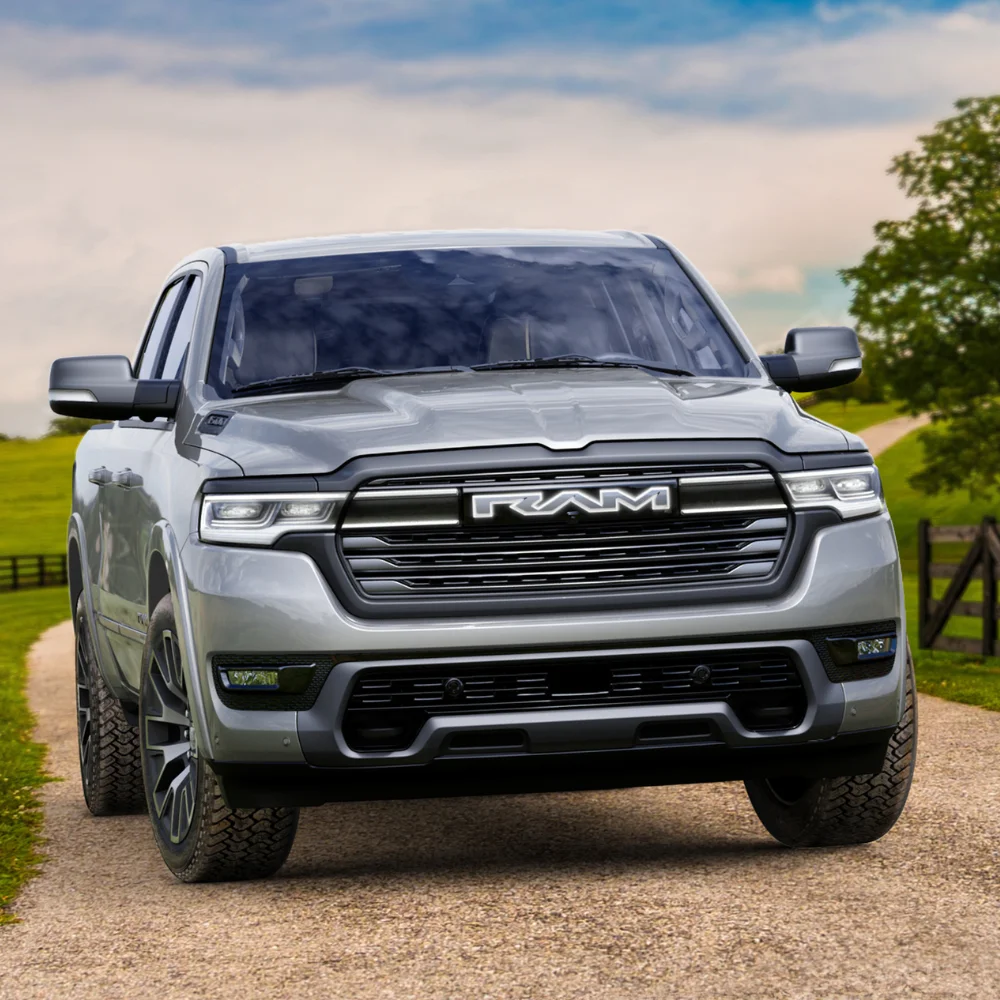
Jeep vehicles are made for real-world driving. That includes city traffic, winter roads, and weekend adventures.
Because of that, brakes matter even more than most drivers think. If you are looking for Jeep Brake Repair Fairfield CT, this guide explains how often brake service is usually needed and how to spot issues early.
Why Jeep Brake Maintenance Is So Important
Brakes keep you safe in every season. They help you stop quickly, control speed, and handle sudden changes in traffic. Jeep models can also carry more weight than a small car. Extra weight can increase brake wear over time.
What Makes Jeep Brakes Wear Faster
Brake wear depends on how and where you drive. Some Jeep owners need service sooner because of driving habits and road conditions.
Here are common reasons brakes wear faster.
Common Brake Wear Causes
- Stop-and-go traffic and short trips
- Heavy loads, towing, or hauling
- Mountain or hill driving
- Aggressive braking habits
- Wet roads, snow, and road salt
- Off-road driving with mud, sand, or water
How Often Jeep Brakes Typically Need Service
Brake service timing is not the same for everyone. Some drivers replace pads sooner, while others go much longer. Most brake work depends on mileage, terrain, and driving style. Regular inspections are the best way to know for sure.
Typical Brake Service Timeline for Many Drivers
These ranges are common for many vehicles, including Jeeps. Your results may be different, and that is normal.
Use these ranges as a general guide.
Brake Pad Life (General Range)
Many brake pads last somewhere around 30,000 to 70,000 miles. Drivers in heavy traffic may land on the lower end. Drivers who brake gently on highways may get more life. Your Jeep model and pad type also matter.
Brake Rotor Life (General Range)
Rotors often last longer than pads, but not always. If pads wear too far, rotors can be damaged quickly. Many drivers replace rotors every one to two brake pad cycles. A brake inspection will confirm if resurfacing or replacement is needed.
Brake Fluid Service
Brake fluid absorbs moisture over time. That moisture can reduce braking performance and damage brake components. Many service schedules recommend replacing brake fluid about every 2 years. Your service team can confirm what your Jeep needs.
The Best Way to Know: Regular Brake Inspections
Brake inspections prevent surprises. They also help you plan repairs before they become urgent. A simple brake inspection usually includes pad thickness checks and a look at rotor condition. It may also include a road test if needed.
How Often to Get Brakes Checked
- At every oil change, if possible
- At least once per year
- Any time you hear noise or feel vibration
Signs Your Jeep Needs Brake Service Soon
Some brake problems start small. If you catch them early, repairs are often cheaper.
If you notice these signs, schedule service soon.
Common Warning Signs
- Squealing, squeaking, or grinding sounds
- Vibrations in the steering wheel while braking
- Brake pedal feels soft or spongy
- Jeep pulls to one side when stopping
- Longer stopping distance
- Brake warning light or ABS light
Step-by-Step: What Happens During Jeep Brake Repair
Brake service should follow a clear process. This protects safety and helps ensure the repair is done right.
Here is what many professional brake repairs include.
Step 1: Brake Inspection and Measurement
The technician measures pad thickness and checks rotors. They also inspect calipers, brake lines, and hardware. This step confirms what is needed. It also prevents replacing parts that are still in good shape.
Step 2: Confirm the Repair Plan
A service advisor should explain the findings in simple terms. You should receive a written estimate before work starts. A good shop will also explain what is urgent and what can wait. That helps you control your budget.
Step 3: Replace Pads and Service Rotors
If pads are worn, they are replaced. Rotors may be resurfaced or replaced depending on thickness and condition. The technician also checks brake hardware. Worn hardware can cause noise and uneven braking.
Step 4: Test and Verify Performance
After the repair, the brakes are tested. This may include a road test and a final inspection. The goal is smooth braking with no noise or vibration. This step confirms safe operation.
How Driving in Fairfield Can Affect Jeep Brakes
Fairfield drivers deal with traffic, stoplights, and seasonal weather. Winter conditions and road salt can add wear to brake parts. Potholes and rough roads can also affect suspension. When suspension parts wear, braking can feel less stable.
Tips to Make Your Jeep Brakes Last Longer
You cannot avoid brake wear completely. But you can reduce wear with a few simple habits.
These tips can extend pad and rotor life.
Brake-Saving Habits
- Leave more space between you and the car ahead
- Brake earlier and more gently when possible
- Reduce extra cargo weight when you can
- Use lower gears on steep hills when appropriate
- Keep tires properly inflated for stable braking
Step-by-Step: How to Budget for Brake Service
Brake repairs can feel stressful without a plan. A simple budget approach helps you stay ahead.
Use this process to keep costs predictable.
Step 1: Ask for a Brake Report at Each Visit
Ask the shop to record pad thickness. Tracking it helps you predict when service is coming. This also helps you avoid emergency repairs. Planning is usually cheaper.
Step 2: Prioritize Safety Repairs First
If brakes are low, do not delay too long. Brakes protect you, your passengers, and other drivers. If multiple repairs are needed, ask for a priority list. This helps you plan the timing.
Step 3: Keep Service Records
Save invoices and inspection notes. These records help you understand what was done and when. They also help if you sell the vehicle later. Buyers like a documented history.
Why Many Jeep Owners Choose Gengras CDJR Fairfield
Jeep brake systems are built for performance and safety. A dealership service team can provide brand-focused inspections and repairs.
For drivers searching for Jeep brake repair in Fairfield, CT, Gengras CDJR Fairfield can support brake inspections, maintenance, and repair work. The goal is safe stopping power and a clear plan you can trust.
FAQs About Jeep Brake Repair and Maintenance
How do I know if I need new brake pads?
A brake inspection is the best way to know. You may also hear squealing or notice reduced braking performance. Many pads have wear indicators that make noise when they get low. Do not wait for grinding, because that can damage rotors.
How long do Jeep brake pads usually last?
Many drivers see brake pads last around 30,000 to 70,000 miles. Driving style, terrain, and towing can change that. City traffic often wears pads faster. Highway driving often extends pad life.
Do I always need new rotors with brake pads?
Not always. Rotors can sometimes be resurfaced if they are within spec and in good condition. If rotors are too thin, warped, or damaged, replacement may be needed. A technician can confirm this during inspection.
What does it mean if my steering wheel shakes when I brake?
This often points to warped rotors or uneven braking surfaces. It can also be linked to suspension or tire issues. A brake inspection and road test can identify the cause. Fixing it early can prevent more damage.
How often should brake fluid be replaced?
Brake fluid is often replaced about every two years. It absorbs moisture over time, which can reduce performance. Your Jeep’s service schedule may vary. A service advisor can recommend the best interval.
Is it safe to drive with a brake warning light?
It depends on the warning. A brake or ABS light should be checked soon. If you feel reduced braking, pull over safely and get help. Safety should always come first.
Final Thoughts: Brake Inspections Make Repairs More Predictable
Jeep brakes wear at different rates depending on how you drive. The best way to stay safe and avoid high costs is through regular inspections.
If you are searching for Jeep Brake Repair Fairfield CT, choose a service team that measures wear, explains options clearly, and helps you plan ahead. With the right care, your Jeep can stop smoothly and safely in every season.
Categories:
Social